September 10, 2026
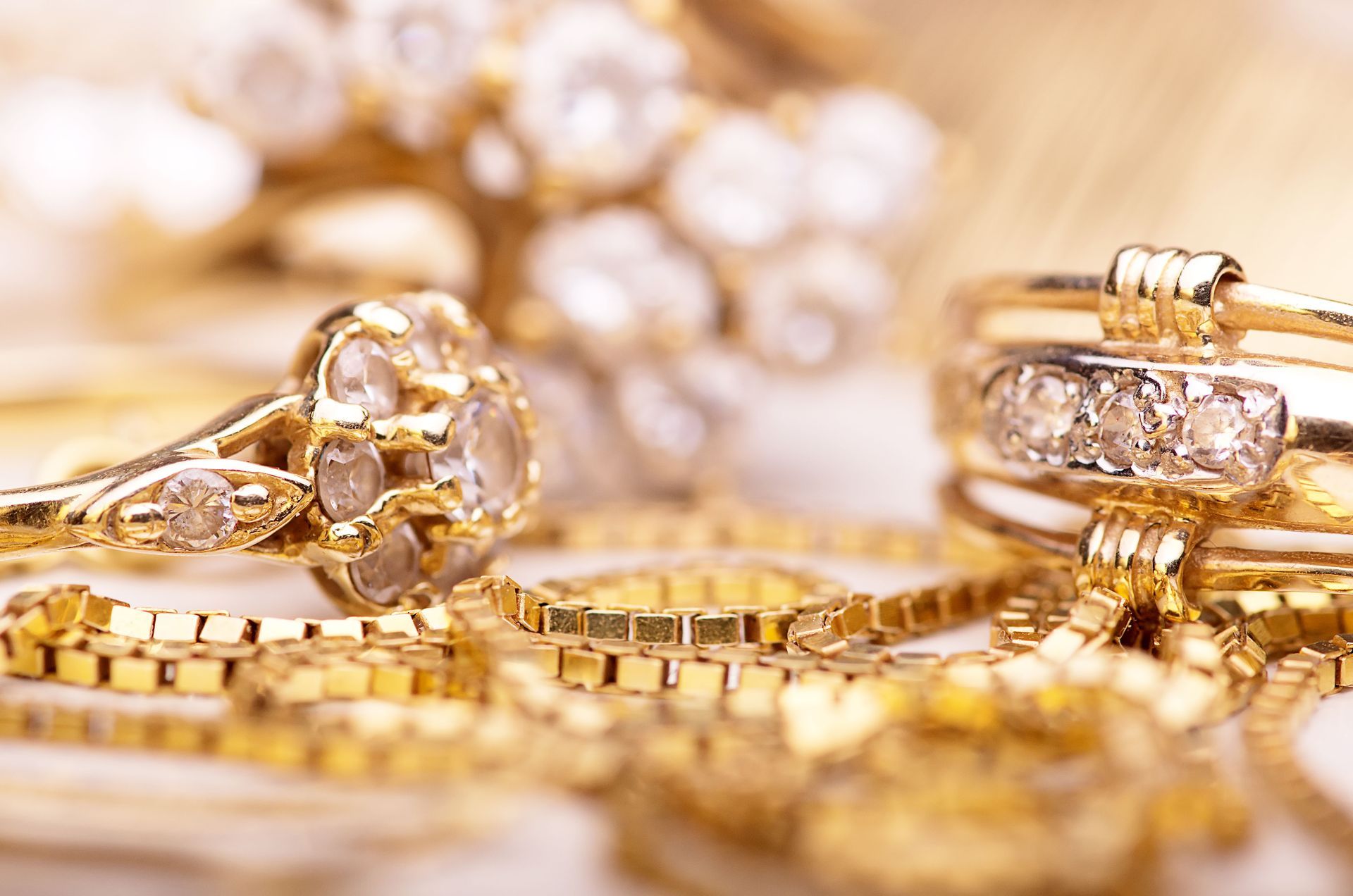
Broken jewelry is often placed in drawers, jewelry boxes, or other storage spaces because owners assume it has lost all of its worth. A damaged clasp, bent chain, missing stone, or broken earring does not necessarily mean the piece is worthless. Many types of jewelry retain value because of the precious metals and materials used to create them. Gold, silver, platinum, and other valuable components can still hold significant worth regardless of whether the item can be worn. Even pieces that appear outdated or heavily damaged may deserve a professional evaluation before being discarded. Understanding what contributes to jewelry value can help owners make more informed decisions about unwanted pieces. When it is time to sell your gold, broken jewelry may offer more financial potential than many people expect. Knowing how professional buyers evaluate these items can also help sellers understand why damaged pieces remain valuable.
Recognizing the Value of Precious Metals
The condition of a jewelry piece is only one factor considered when determining its value. Precious metals have inherent value based on their composition, weight, purity, and current market conditions. A broken gold chain still contains the same precious metal even if its clasp no longer works. Similarly, a damaged ring may retain considerable value despite a bent band or missing gemstone. This is why appearance alone should not determine whether an unwanted item is worth keeping or selling. Professional buyers can examine the metal content to determine what materials are present in the piece. People who want to sell your gold can benefit from having damaged items evaluated rather than assuming they have no value. The precious materials within broken jewelry may provide an opportunity to receive payment for items that are no longer useful or wearable.
Understanding Why Damage Does Not Eliminate Worth
Jewelry is designed to be worn, which means it can eventually experience damage from everyday use. Chains can break, prongs can loosen, clasps can stop working, and rings can become bent over time. While these issues may affect the item's appearance or functionality, they do not automatically remove the value of its materials. In many cases, a buyer is interested in the precious metal itself rather than the condition of the finished jewelry. Scratches, dents, and other cosmetic issues may matter less when the item is being evaluated for its metal content. Broken pieces can also be melted down and repurposed into new jewelry or other products. Choosing to sell your gold can therefore be a practical option for people who no longer want to repair damaged or outdated pieces. Instead of allowing broken jewelry to collect dust, owners can explore the value it may still provide.
Considering the Value of Unique Materials
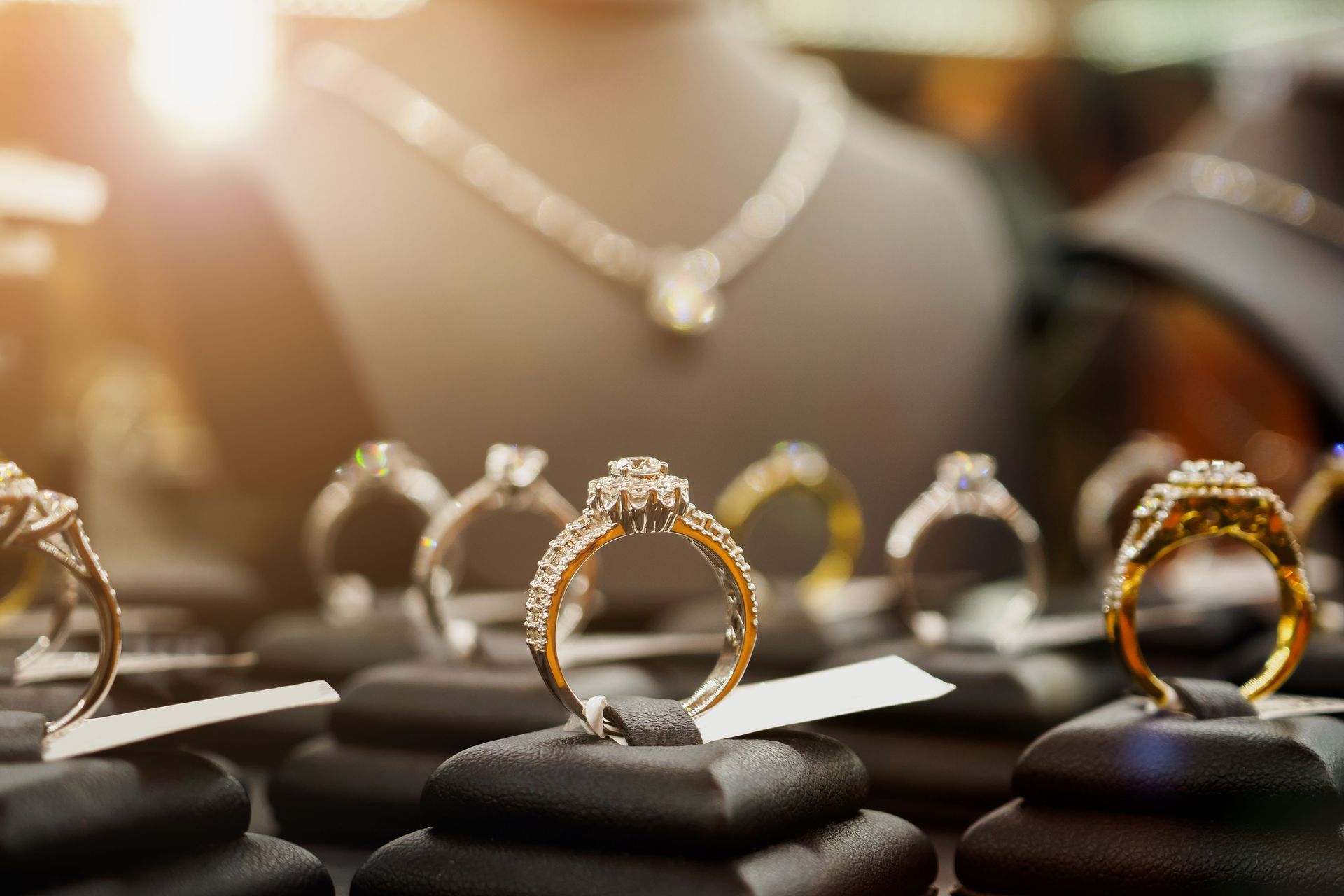
Some jewelry pieces contain more than precious metals. Diamonds, gemstones, antique components, and distinctive design elements may contribute additional value depending on the item. Even when a piece is damaged, certain components may still be reusable or desirable. A broken setting, for example, does not necessarily mean that a gemstone has lost its value. Buyers with experience evaluating jewelry can look beyond visible damage to identify valuable materials and features. According to Gitnux, 52% of consumers favor personalized or custom jewelry, demonstrating the continued interest in distinctive pieces that reflect individual tastes. This demand for individuality can help explain why certain unique materials and jewelry components may continue to attract attention. Before deciding to sell your gold, it can be worthwhile to have the entire piece examined to understand the potential value of both its metal and additional materials.
Avoiding Unnecessary Repair Costs
Repairing damaged jewelry can sometimes cost more than an owner expects. Depending on the extent of the damage, a piece may require new parts, stone replacement, metalwork, or other specialized services. These costs may not always make sense for jewelry that is no longer worn or does not hold significant sentimental value. In some cases, owners may spend money repairing an item only to place it back into storage. Selling the piece can offer an alternative to investing in repairs that may not provide a meaningful benefit. This option can be especially useful for outdated styles or items that no longer fit a person's preferences. When you sell your gold instead of paying for unnecessary repairs, the proceeds can potentially be used toward something more useful or meaningful. Evaluating both options can help jewelry owners decide whether repair or selling makes the most financial sense.
Turning Unwanted Jewelry Into Cash
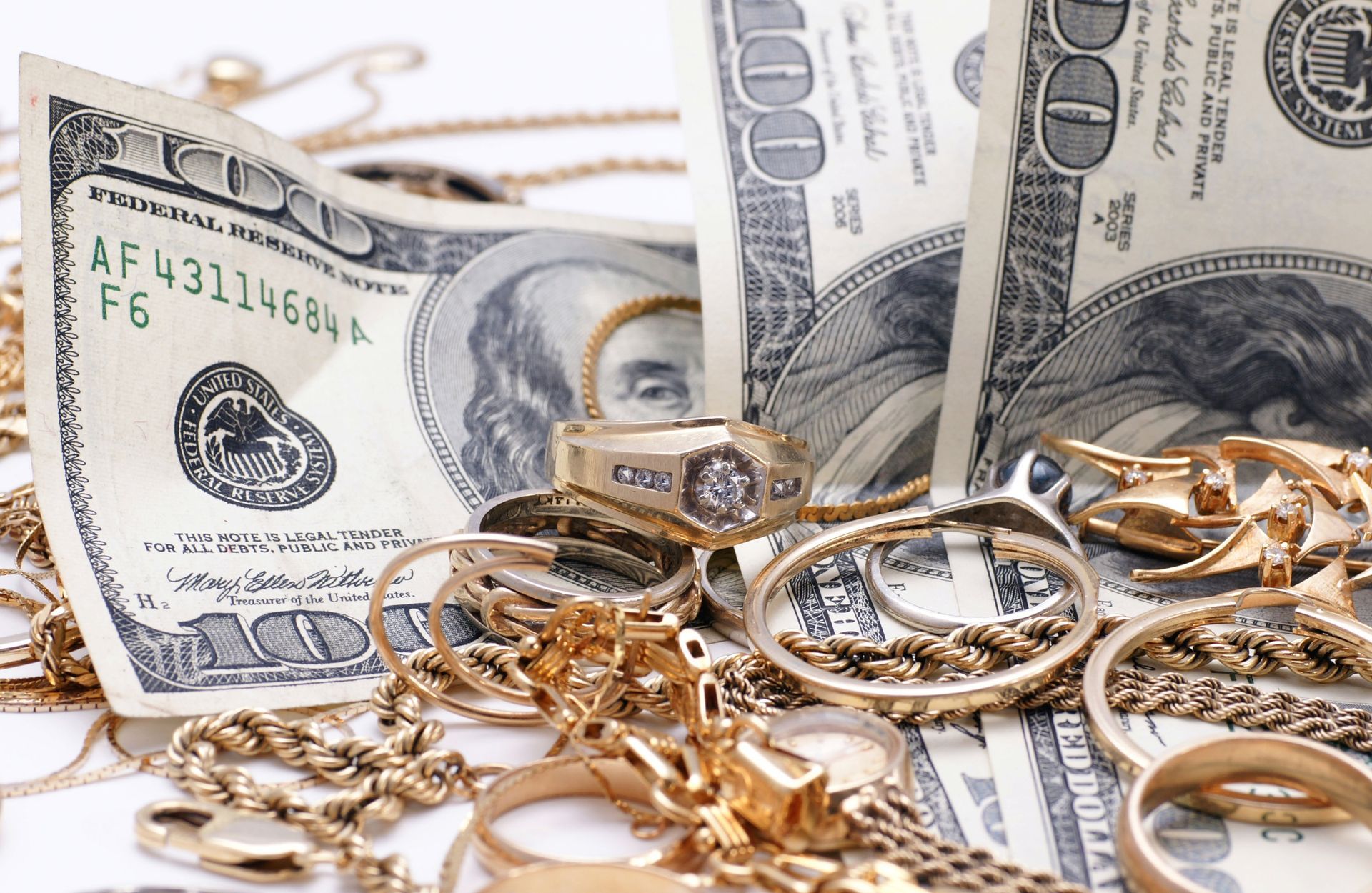
Broken jewelry can represent an opportunity to convert unused belongings into immediate financial value. Many people have old chains, single earrings, damaged rings, or other pieces sitting unused for years. These items may have little practical purpose in a drawer, but their precious metal content can still be valuable. Selling them allows owners to receive compensation rather than continuing to store items they no longer wear. The process can also help simplify a jewelry collection by removing damaged or unwanted pieces. Professional buyers can assess the materials and explain how the item's value is determined. People who decide to sell your gold can use the money for other expenses, savings goals, purchases, or personal priorities. Turning unwanted jewelry into cash can be a practical way to make better use of items that would otherwise remain forgotten.
Comparing Offers From Knowledgeable Buyers
Not every jewelry buyer evaluates items in the same way. Working with an experienced buyer can help sellers gain a clearer understanding of how their jewelry is assessed. Factors such as metal purity, weight, market value, and additional components can all influence the final offer. A knowledgeable professional can examine the item carefully rather than making assumptions based solely on its appearance. This is particularly important when dealing with broken jewelry because valuable materials may not be immediately obvious. Sellers should feel comfortable asking questions about the evaluation process and how an offer is determined. When preparing to sell your gold, choosing a buyer with experience in precious metals and jewelry can help make the process more transparent. Taking the time to work with a reputable professional can give sellers greater confidence in their decision.
Decluttering Without Throwing Away Value
Jewelry collections often grow over many years through purchases, gifts, inheritances, and personal milestones. As styles and preferences change, some pieces may no longer be worn or appreciated. Broken items can also accumulate because owners are unsure what to do with them. Throwing these pieces away may mean losing materials that still have financial value. Selling unwanted jewelry can help reduce clutter while providing an opportunity to receive payment for valuable metals. This can be especially helpful when organizing an estate, downsizing a home, or simply cleaning out old storage areas. People who sell your gold can transform forgotten belongings into something more useful rather than allowing them to remain unused. Decluttering with value in mind can make the process both financially and practically rewarding.
Broken jewelry may no longer serve its original purpose, but that does not mean it has reached the end of its value. Precious metals, gemstones, and other materials can continue to hold financial worth even when a piece is damaged beyond repair. Instead of leaving unwanted chains, rings, bracelets, and earrings in storage, owners can explore the opportunities available through professional evaluation. Selling damaged pieces can help avoid unnecessary repair costs while turning unused belongings into cash. The process can also provide a practical way to declutter a home or simplify an outdated jewelry collection. Understanding how buyers evaluate metal content and other materials helps sellers recognize why appearance is not the only factor that matters. Every piece has its own characteristics, which is why a professional assessment can be an important first step. Before throwing away broken jewelry, consider the possibility that it may still hold more value than expected.
Do not let broken or unwanted jewelry sit forgotten in a drawer. Contact Cherry Hill Treasure Exchange today to have your precious metals and jewelry professionally evaluated and discover how much value your unwanted pieces may still hold.